
How ZeroHunger.ai supported Honduras's chamber of commerce network in scaling a labor intermediation platform from one city to a national system serving 20,000 enterprises across 17 departments.
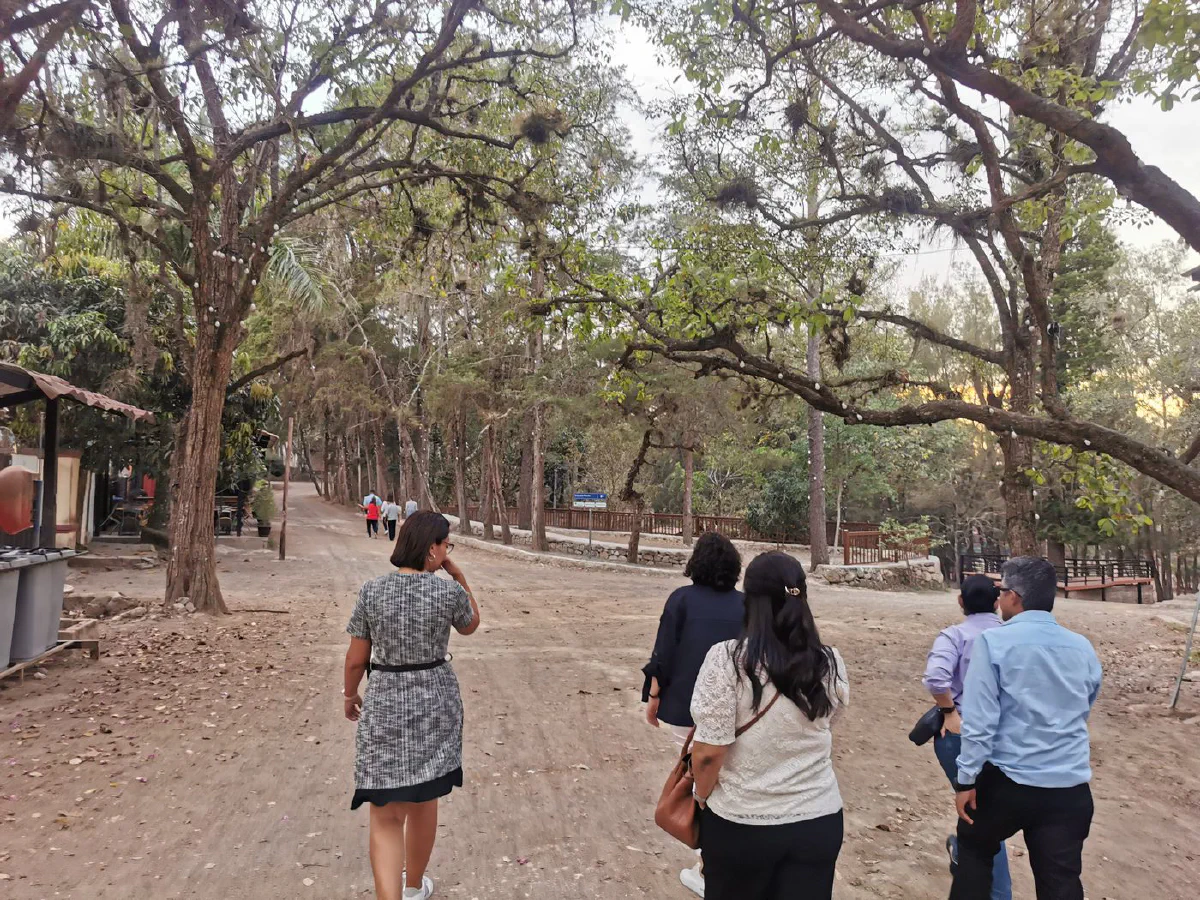
In April 2024, our team traveled to Tegucigalpa, Honduras to work on one of our most ambitious projects: helping an entire national network of chambers of commerce modernize how they connect workers with employers. The project, funded through Germany’s BMZ development cooperation via sequa and bbw, aims to transform how vocational training and labor placement services work across Honduras — not through a top-down government program, but through the country’s own business associations.
The Challenge: A Fragmented Labor Market in a Growing Economy
Honduras has a paradox familiar to many developing economies: businesses struggle to find qualified workers while unemployment, especially among young people, remains stubbornly high. The disconnect is not just about skills — it is about infrastructure. There is no single, trusted system that connects job seekers with employers at a national scale.
The country’s network of chambers of commerce — 43 chambers organized under the national federation FEDECAMARA, spanning all 17 departments — is uniquely positioned to solve this. Chambers already have relationships with roughly 20,000 member enterprises. They understand regional labor markets. What they lacked was the digital infrastructure and operational capacity to turn that knowledge into a scalable job matching service.
One chamber had already proven the concept. The Cámara de Comercio e Industrias de Tegucigalpa (CCIT) had built and operated Promuévete, a labor intermediation platform that in 2023 alone achieved remarkable results:
| Metric | 2023 Result |
|---|---|
| Vacancies processed | 3,442 |
| Company requests served | 822 |
| CVs sent to employers | 27,101 |
| People placed in jobs | 298 |
| Psychometric evaluations | 404 |
| Socioeconomic studies | 82 |
| Recruitment processes managed | 48 |
| Client satisfaction | 92% |
The question was: could this success be replicated across 42 more chambers, many of them smaller, less resourced, and in regions with very different labor dynamics?
Our Role: IT Consulting for a National Platform
ZeroHunger.ai was brought in as IT expert to support the digital pillar of this transformation. Our engagement ran from February through April 2024, covering three phases:
Phase 1 — Remote Analysis (February) We conducted a comprehensive baseline assessment of the existing platforms, including security audits, performance analysis, data protection compliance review, and UX evaluation.
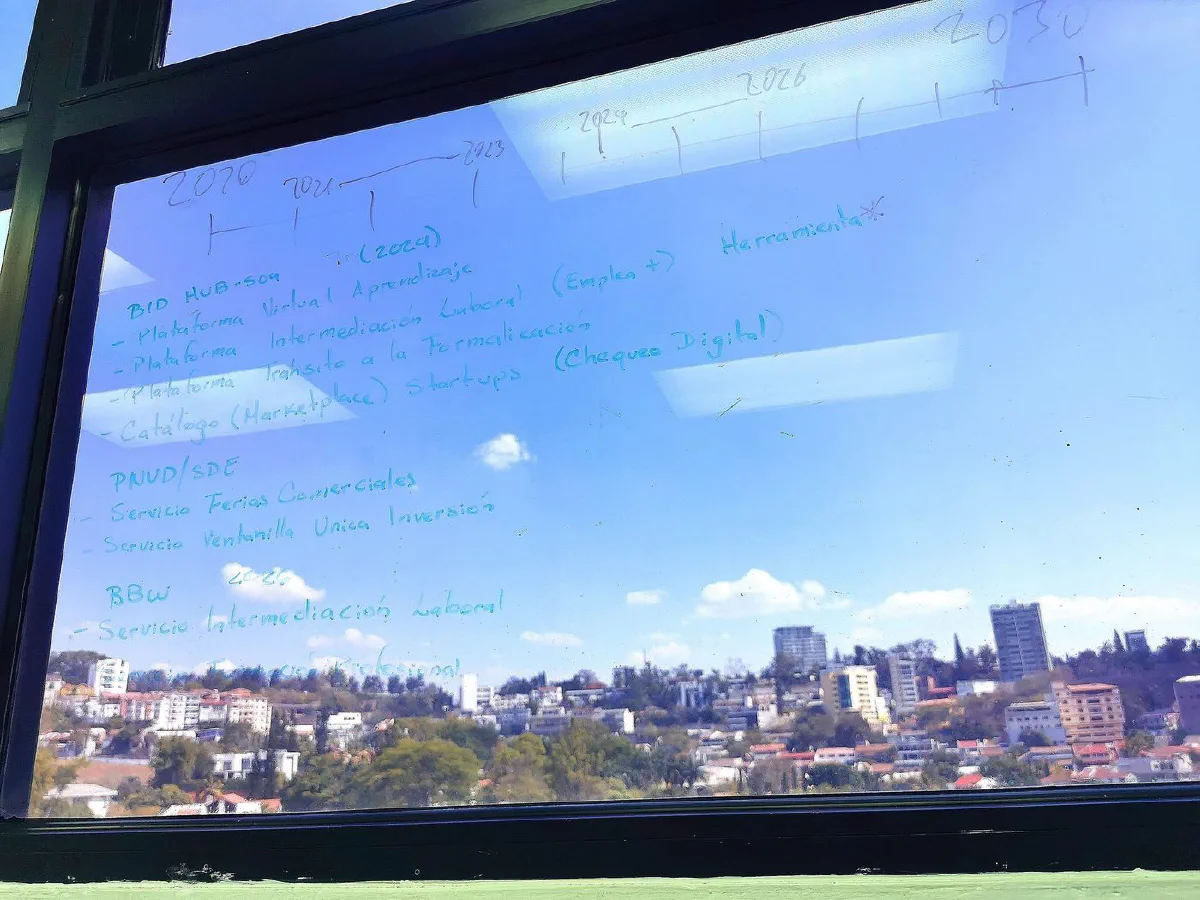
Phase 2 — Solution Design (March) Through weekly remote sessions with chamber stakeholders across Honduras, we presented improvement recommendations and aligned on a technical roadmap for the national platform Emplea Más.
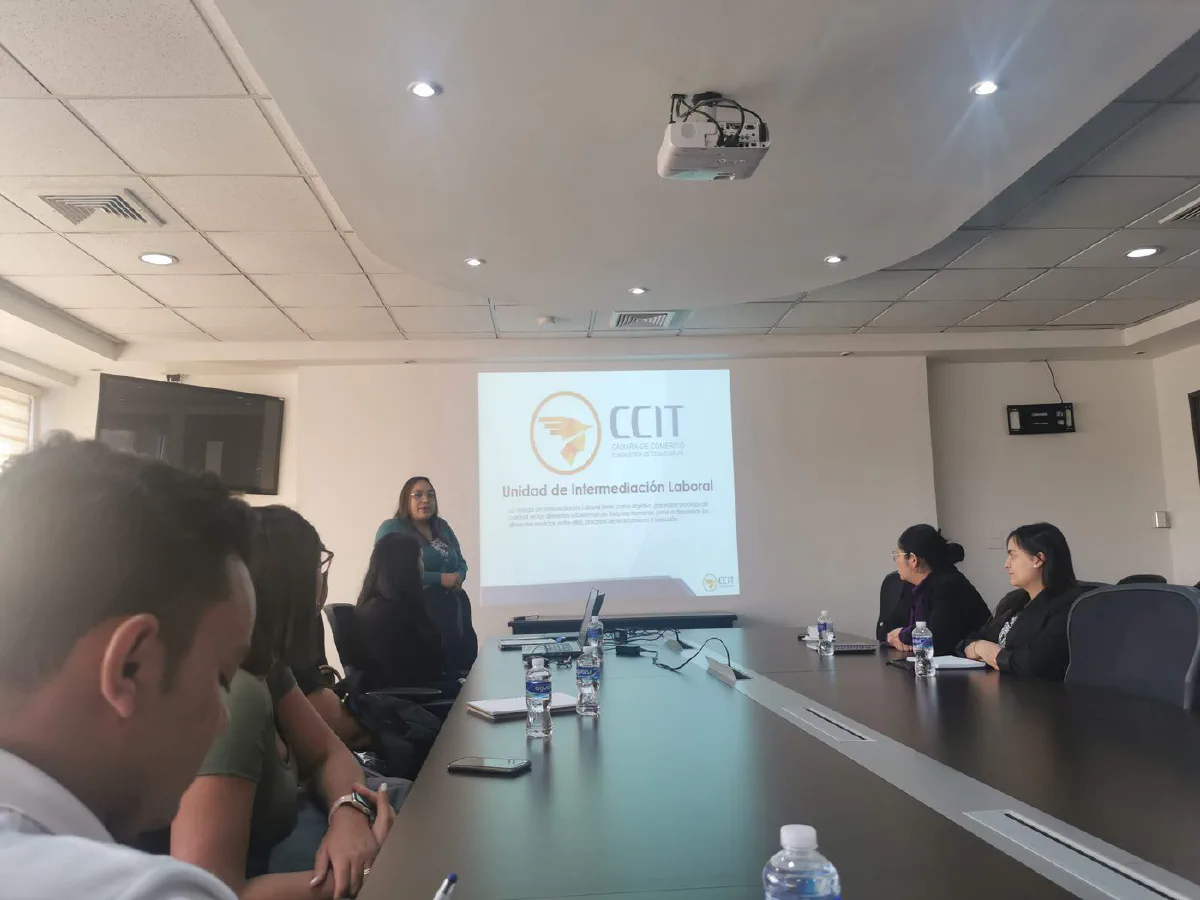
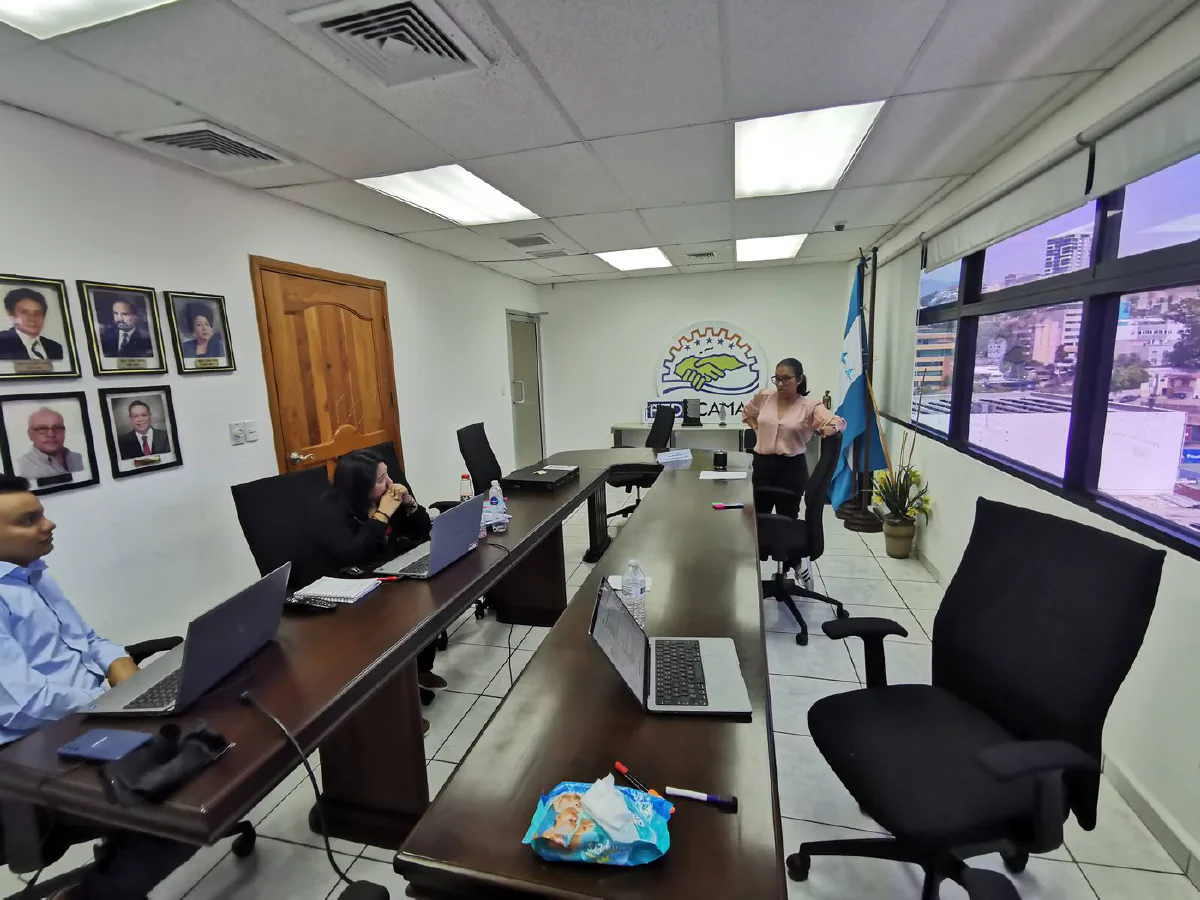
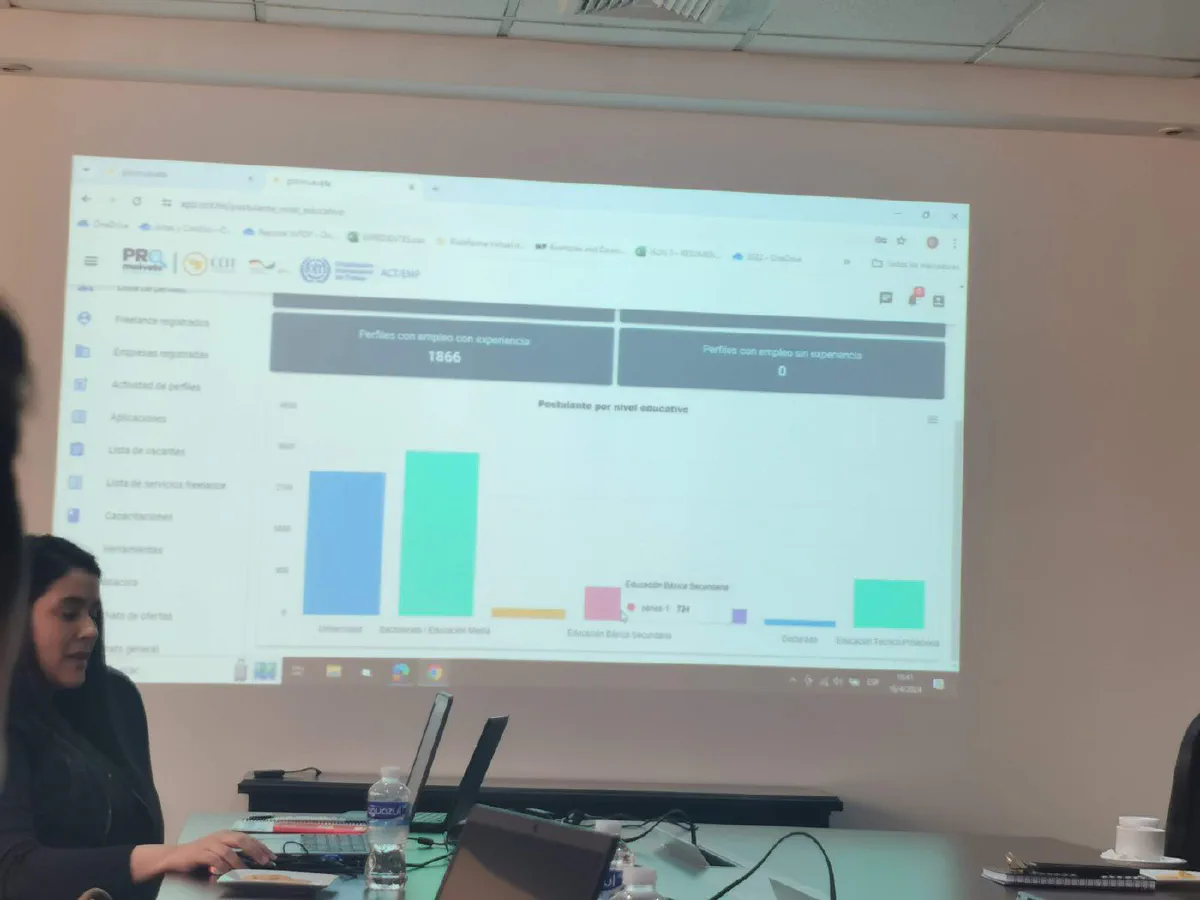
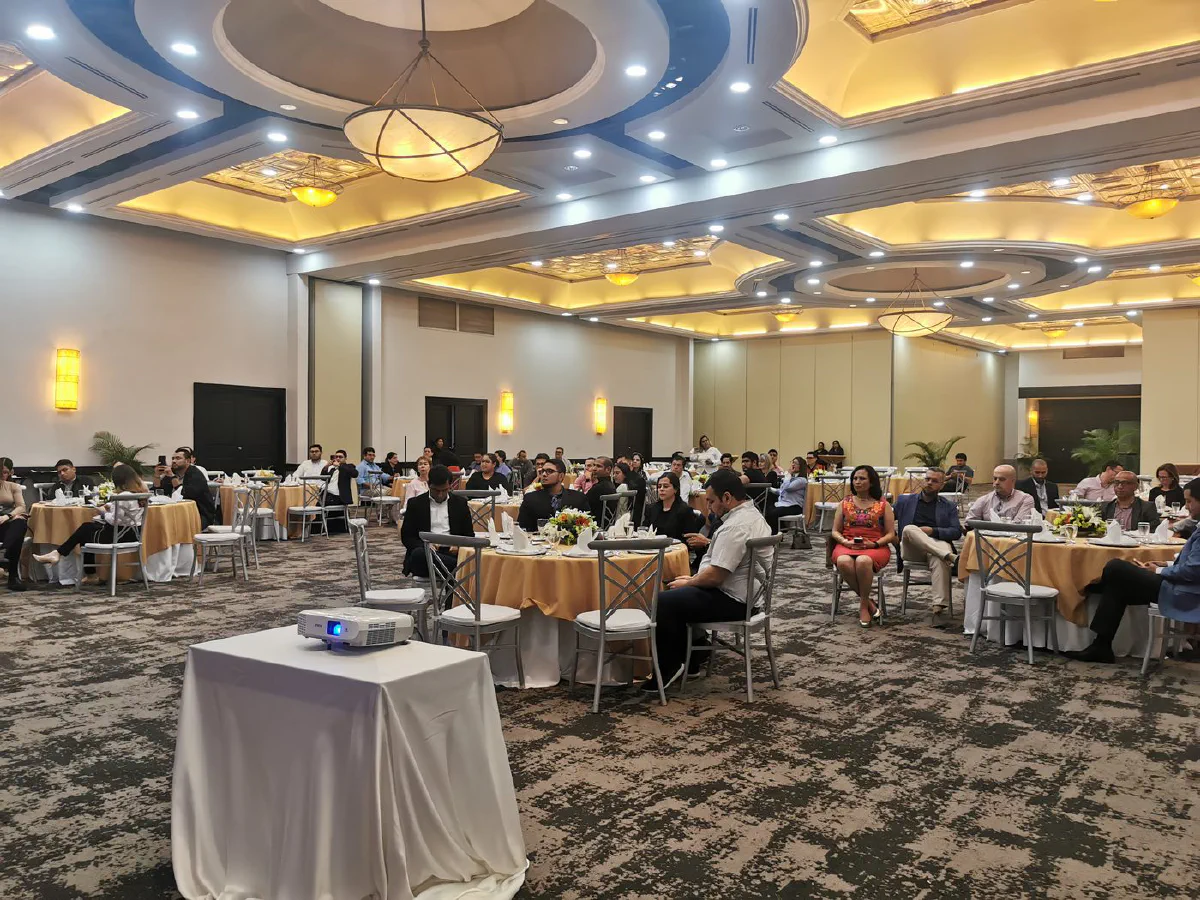
Phase 3 — On-Site Workshop Week (April 15–19, Tegucigalpa) An intensive week of workshops at CCIT and FEDECAMARA headquarters, working directly with chamber staff, the development team, and federation leadership on IT security, platform performance, data protection, SEO, UX redesign, integration architecture, and operational processes.
Photo Gallery

The Platform: From Promuévete to Emplea Más
The technical heart of the project is the evolution from CCIT’s proven Promuévete platform into Emplea Más, a national system operated by FEDECAMARA that all 43 member chambers can use.
The platform connects three user groups:
Job seekers can create profiles, browse vacancies filtered by region and sector, track their applications, and access training courses — all through a web interface optimized for mobile devices.
Employers can post vacancies, review applications, access candidate evaluations, and communicate directly with applicants through an integrated chat system. WhatsApp notifications keep both sides informed without requiring constant platform access.
Chamber administrators manage their regional labor market: validating candidate profiles, running recruitment processes, tracking placement metrics, and reporting outcomes to the federation and project funders.
The architecture — built on .NET Core with a Quasar frontend and integrated Moodle for training — was designed to be maintained by a small central team rather than requiring technical staff at every chamber.
Lessons from the Ground
Working in Tegucigalpa reinforced several lessons we have seen across international development projects that involve technology:
Technology is the easy part. The platform existed and worked. The real challenge was organizational: getting 43 independent chambers, each with their own culture, capacity, and political dynamics, to adopt a shared digital infrastructure.
Design for the least connected user. In Honduras, where smartphone and data costs remain significant barriers, we could not assume universal digital access. The manual registration pathway, WhatsApp notifications, and mobile-optimized interface were essential to the platform’s mission of inclusive labor intermediation.
Sustainability requires a business model. We worked with FEDECAMARA to design a service model where chambers generate revenue from HR services — recruitment process management, candidate evaluation, and training delivery — rather than relying solely on membership fees.
Local ownership is non-negotiable. The development team building the platform — a young Honduran company called GrupoAT — was already embedded in the chamber ecosystem. Our role was to advise, audit, and accelerate, not to build the system ourselves.
What Comes Next
Our engagement delivered a comprehensive technical roadmap, security recommendations, and operational guidelines. The chambers are now working to roll out Emplea Más to additional chambers, train chamber staff, and establish partnerships with INFOP, the national vocational training institute.
This project was conducted as part of the BBW Honduras program, a vocational training and labor market development initiative funded by Germany’s Federal Ministry for Economic Cooperation and Development (BMZ) and implemented through sequa gGmbH and bbw. ZeroHunger.ai provided IT expert consulting services for digital platform development and capacity building.